Housing & Daily Life
Renting With a Pet and the Costs Landlords Attach
Pet policies in American rentals add deposits, monthly fees and breed restrictions on top of the rent, and the terms differ enough that they shape which buildings are realistic.

A pet changes the rental search from a question of location and price into a question of policy. Many buildings simply do not accept animals at all.
The three separate charges
Pet costs are usually split into a one-off pet fee that is never returned, a refundable pet deposit, and a recurring monthly amount often described as pet rent.
These are distinct and a lease may include any combination of them. Reading which is refundable matters, because the labels are used inconsistently between landlords.
Monthly pet rent is the item people underestimate. Over a year it can add a meaningful amount to the housing budget, and it is charged per animal in most buildings.
Restrictions go beyond whether pets are allowed
Buildings that accept pets frequently limit the number, the weight and sometimes the breed. Weight limits are common in apartment blocks and are enforced at the point of application.
Breed restrictions are often driven by the building's own liability insurance rather than by the landlord's preference, which is why they are rarely negotiable.
Some buildings also require vaccination records, a photograph of the animal, and proof of licensing with the local authority. Assembling this before applying speeds things up considerably.
Assistance animals sit in a different category
Service and assistance animals are treated separately from pets under housing rules, and the protections around them are not the same as a pet policy.
The rules in this area are specific, vary by jurisdiction and have been revised over time. Anyone relying on them should check the current position with the relevant housing authority or a qualified adviser.
What is consistent is that the category is defined by documented need rather than by the animal itself, and landlords are entitled to ask for particular forms of confirmation.
Damage, deposits and the end of the lease
Pet damage is the most common source of deposit disputes. Scratched flooring, carpet odour and damaged door frames are the items landlords itemise most often.
Because ordinary wear and tear cannot be charged for but damage can, the boundary between them is where arguments happen. Photographs at move-in are the only reliable defence.
Professional carpet cleaning at the end of a tenancy is frequently written into a pet addendum as a requirement. Doing it yourself does not usually satisfy a clause worded that way.
Practical consequences for the search
Pet-friendly stock is a smaller pool, so searches take longer and the choice of neighbourhood narrows. Building this into the timeline avoids a rushed decision at the end.
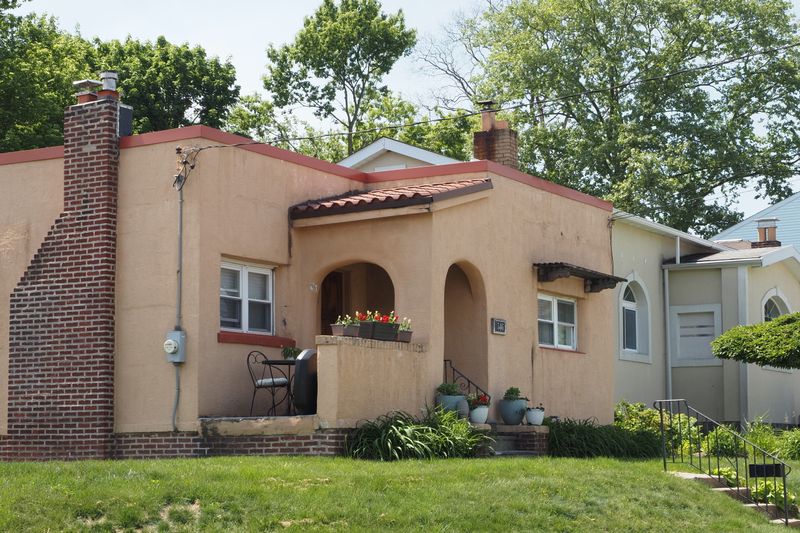
Houses rented from individual owners are often more flexible than large managed buildings, because the decision sits with a person rather than a policy.
Bringing an animal from India adds its own layer of import paperwork, vaccination timing and airline rules, all of which need to be arranged well before the flight rather than after it.
Questions readers ask
What do people most underestimate about owning a car here?
Depreciation and unscheduled repairs. Both are large and neither arrives as a monthly bill, which is why they are missing from most people's mental arithmetic.
Should I buy new or used?
New cars lose value fastest in the early years, while used ones carry more repair uncertainty. A well-maintained vehicle a few years old is the common compromise, and reliability records matter more than age.
Also by Amrita Chellappa
- What You Actually Pay to Send Money HomeMoney & Credit
- Security Deposits: What They Secure and How to Get One BackHousing & Daily Life
- What to Check on an Apartment Viewing That Nobody Tells YouHousing & Daily Life
- Lease Renewal Is a Negotiation, Even When the Letter Says OtherwiseHousing & Daily Life