Housing & Daily Life
A Car Is a Standing Set of Obligations, Not a Single Purchase
The price you negotiate is the smallest part of what a vehicle costs. Registration, inspection, insurance, maintenance and depreciation continue for as long as you own it.
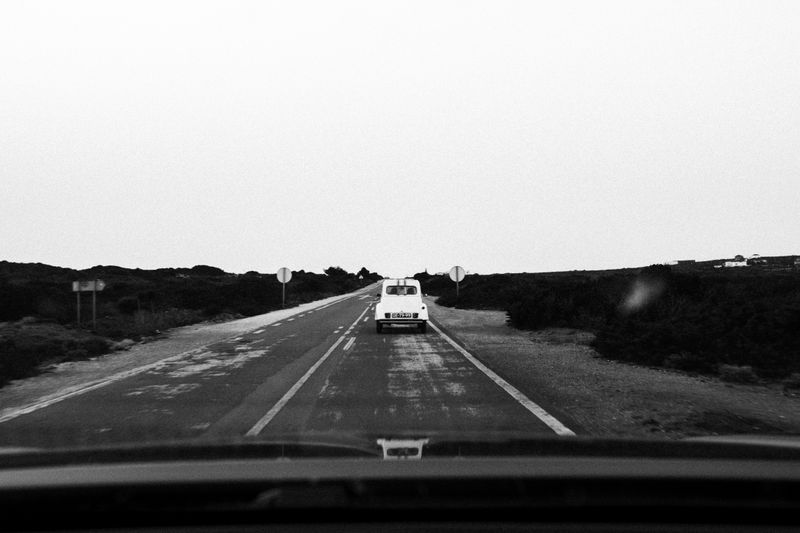
The theory of the recurring costs and duties of car ownership is well covered elsewhere. This is about the version you meet in practice.
What holds up in practice
- Registration and inspection are recurring state requirements.
- Maintenance schedules exist and skipping them is expensive.
- Depreciation is the largest and least visible cost.
The costs that continue
A vehicle generates recurring costs in several separate streams, only one of which is the loan payment people focus on. Insurance, registration, inspection, fuel, maintenance, repairs and parking all continue regardless of how much you drive. Depreciation is the largest cost for most owners and the least visible, because nobody sends you a bill for it.
A cheap car with poor reliability frequently costs more over three years than a more expensive one that does not break. Budgeting for a car means budgeting for the stream rather than for the purchase, which is a different calculation entirely.
Registration and inspection
Vehicles must be registered with the state, and registration is renewed periodically with a fee set by the state. Many states require periodic safety inspection, emissions testing, or both, and the requirements differ substantially between states and sometimes between counties. Driving with expired registration attracts penalties and can affect insurance, and the renewal notice frequently arrives by post to whatever address the state holds.
Moving to a different state generally requires re-registering within a period the new state sets, along with transferring your licence. Your state's own agency is the authoritative source for what applies, and none of this article states a requirement, fee or timescale.
Insurance as an ongoing relationship
Motor insurance is required to drive in essentially every state, with minimum coverage levels set by each state separately. Minimum coverage is frequently far below what would actually protect you in a serious incident, which is a distinction worth understanding. Premiums are recalculated at each renewal based on your record, your location, the vehicle and factors the insurer weights.
Shopping the policy at renewal rather than allowing it to roll over is one of the more reliable ways to reduce the cost. Claims affect future premiums, which is why very small claims are sometimes not worth making, though that calculation depends on your policy.
Maintenance is scheduled, not reactive
Manufacturers publish maintenance schedules, and following them is what keeps a vehicle reliable and preserves its resale value. Oil changes, filters, brakes, tyres and fluids all have intervals, and the schedule is in the manual that most owners never open.
Deferred maintenance converts a modest scheduled cost into a large unscheduled one, usually at the least convenient moment. Independent mechanics are generally cheaper than dealerships for routine work, and finding a trustworthy one is worth asking neighbours about.
Keeping records of work done supports the resale value and helps any future mechanic understand the vehicle's history.
Seasonal and regional demands
Winter in much of the country requires attention to tyres, battery condition, fluids and keeping a basic emergency kit in the vehicle. Road salt used for winter treatment accelerates corrosion, which is a genuine factor in vehicle longevity in northern states. Extreme heat is hard on batteries, tyres and cooling systems, so the southern version of vehicle care is different rather than easier.
Two winters in, some regions require specific equipment in particular conditions, and local rules vary enough to be worth checking where you live. Parking arrangements, including permits and restrictions during snow clearance, are set locally and generate fines for people who have not read them.
Immigration rules change with the administration, and processing times change faster than that.
Deciding whether to own one at all
In a small number of dense American cities, a combination of transit, rental by the hour and occasional hire is genuinely cheaper than ownership. For most of the country the question is not whether but which, since daily life assumes a vehicle. A household's second vehicle is often the most questionable, and running the arithmetic honestly sometimes shows an alternative is cheaper.
Leasing, financing and buying outright have different cost structures and different consequences at the end, and the comparison depends on how long you keep it. This article is general information about how ownership works rather than advice about any particular purchase or financing arrangement.
The takeaway
Budget the whole stream rather than the purchase, follow the maintenance schedule, and check what your state requires for registration and inspection.
Homesickness is not evidence you chose wrong. It is part of the fare.
Questions readers ask
What do people most underestimate about owning a car here?
Depreciation and unscheduled repairs. Both are large and neither arrives as a monthly bill, which is why they are missing from most people's mental arithmetic.
Should I buy new or used?
New cars lose value fastest in the early years, while used ones carry more repair uncertainty. A well-maintained vehicle a few years old is the common compromise, and reliability records matter more than age.
Also by Amrita Chellappa
- What You Actually Pay to Send Money HomeMoney & Credit
- Security Deposits: What They Secure and How to Get One BackHousing & Daily Life
- What to Check on an Apartment Viewing That Nobody Tells YouHousing & Daily Life
- Lease Renewal Is a Negotiation, Even When the Letter Says OtherwiseHousing & Daily Life